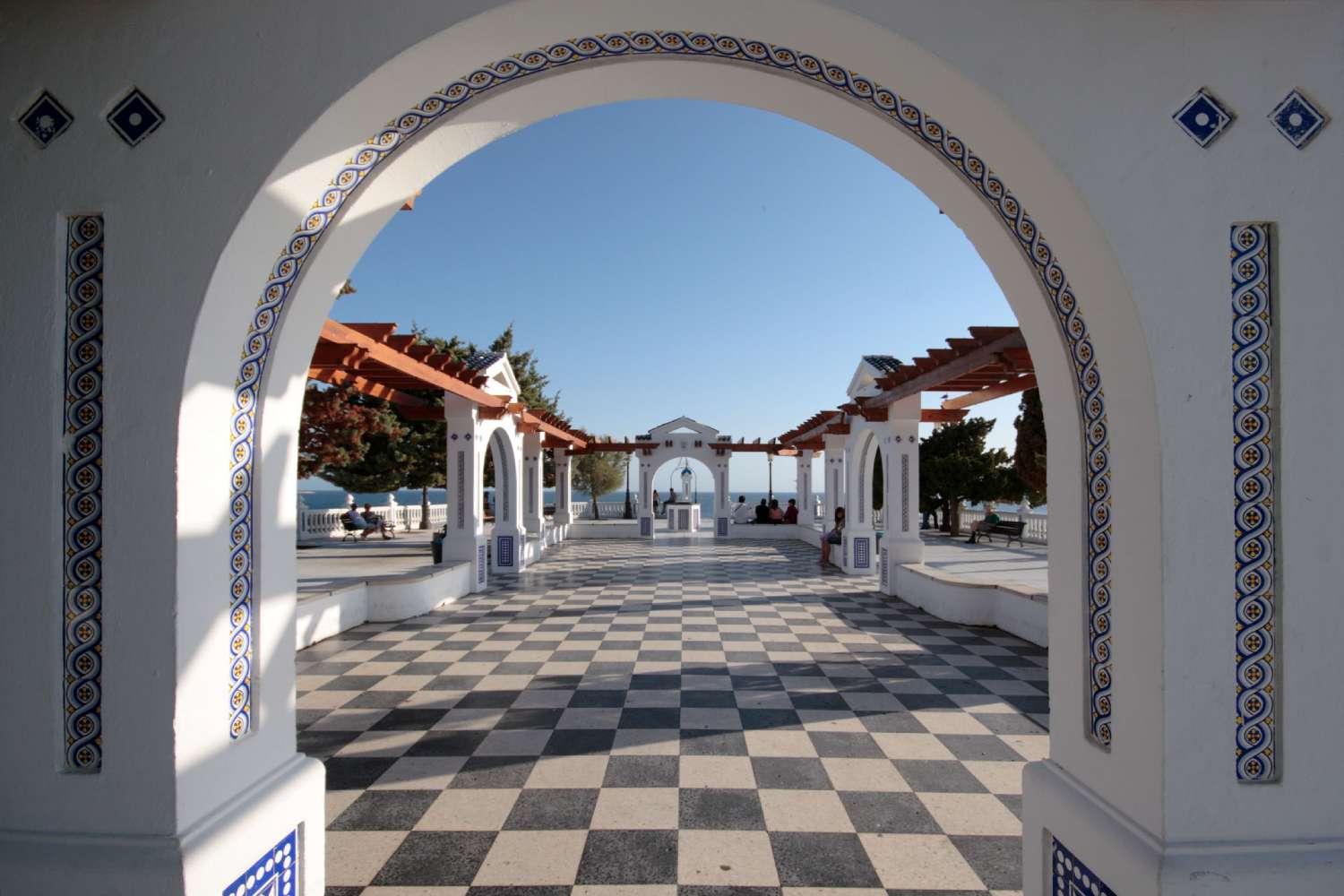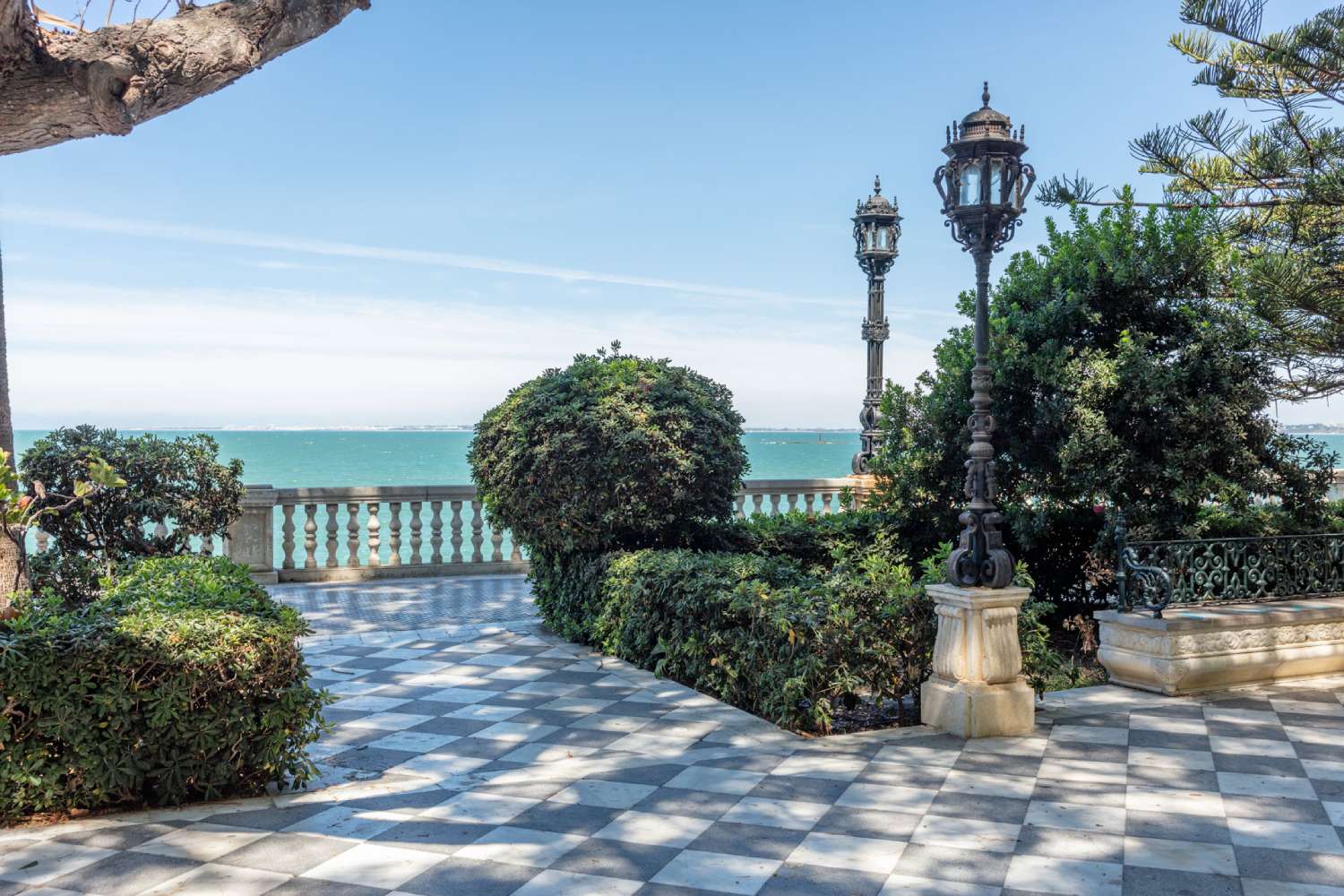
Why some outdoor spaces feel memorable while others don’t
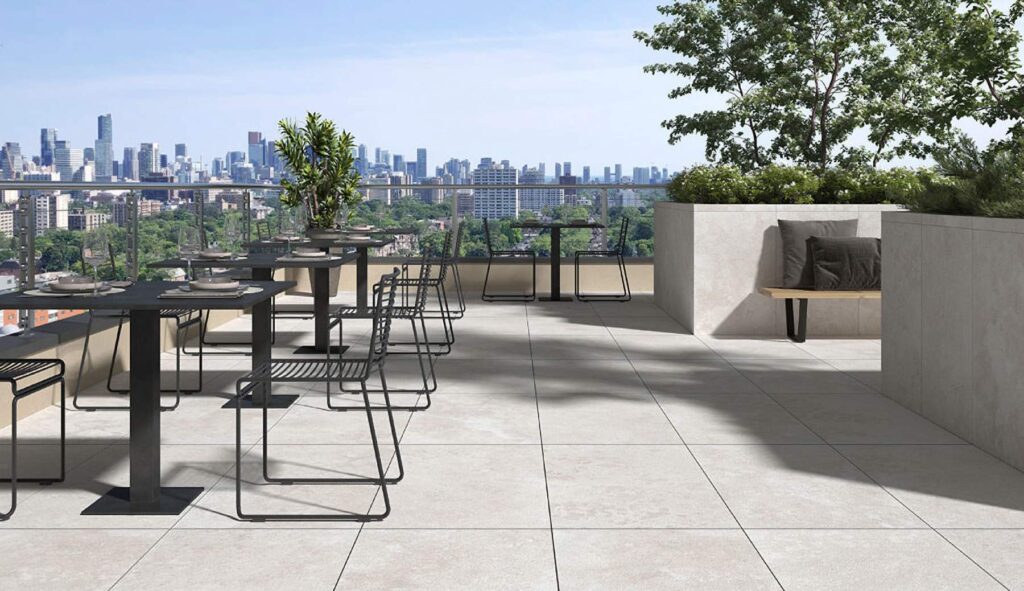
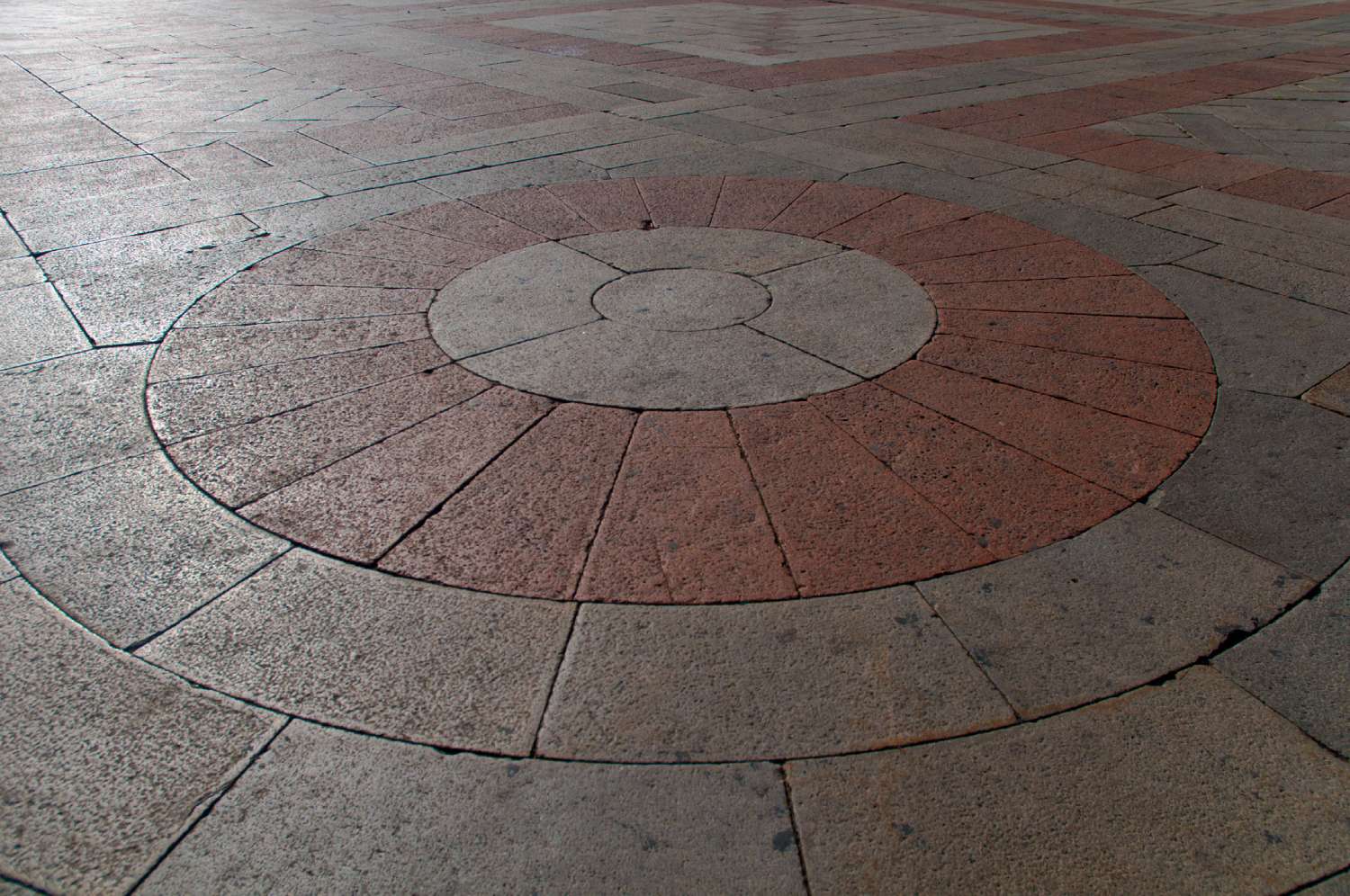
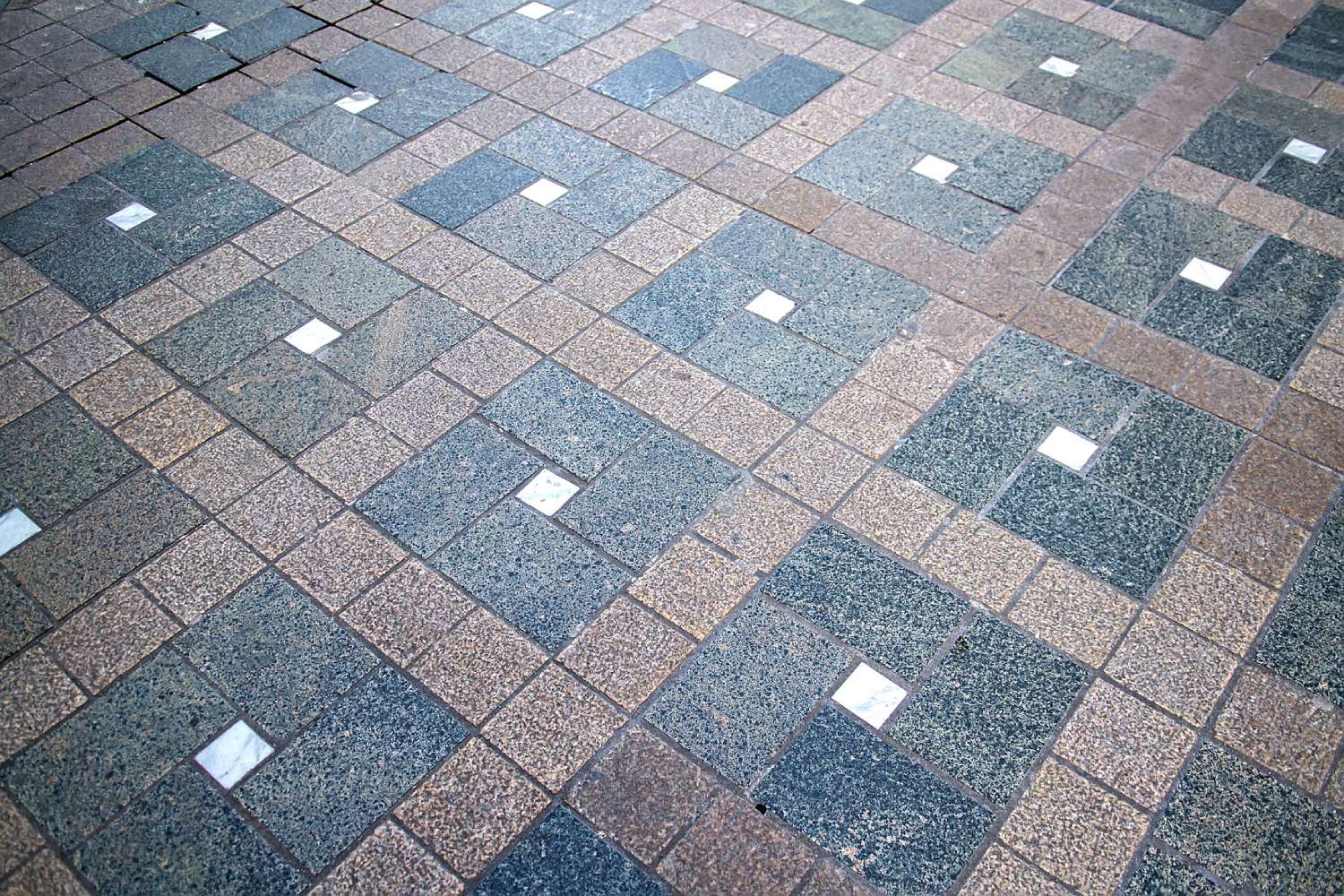
Successful paving design isn’t measured only by how well it performs. Of course, structural support, drainage, permeability, and durability are essential. But once those technical requirements have been met, the designer has another challenge: creating an outdoor space that people enjoy experiencing.
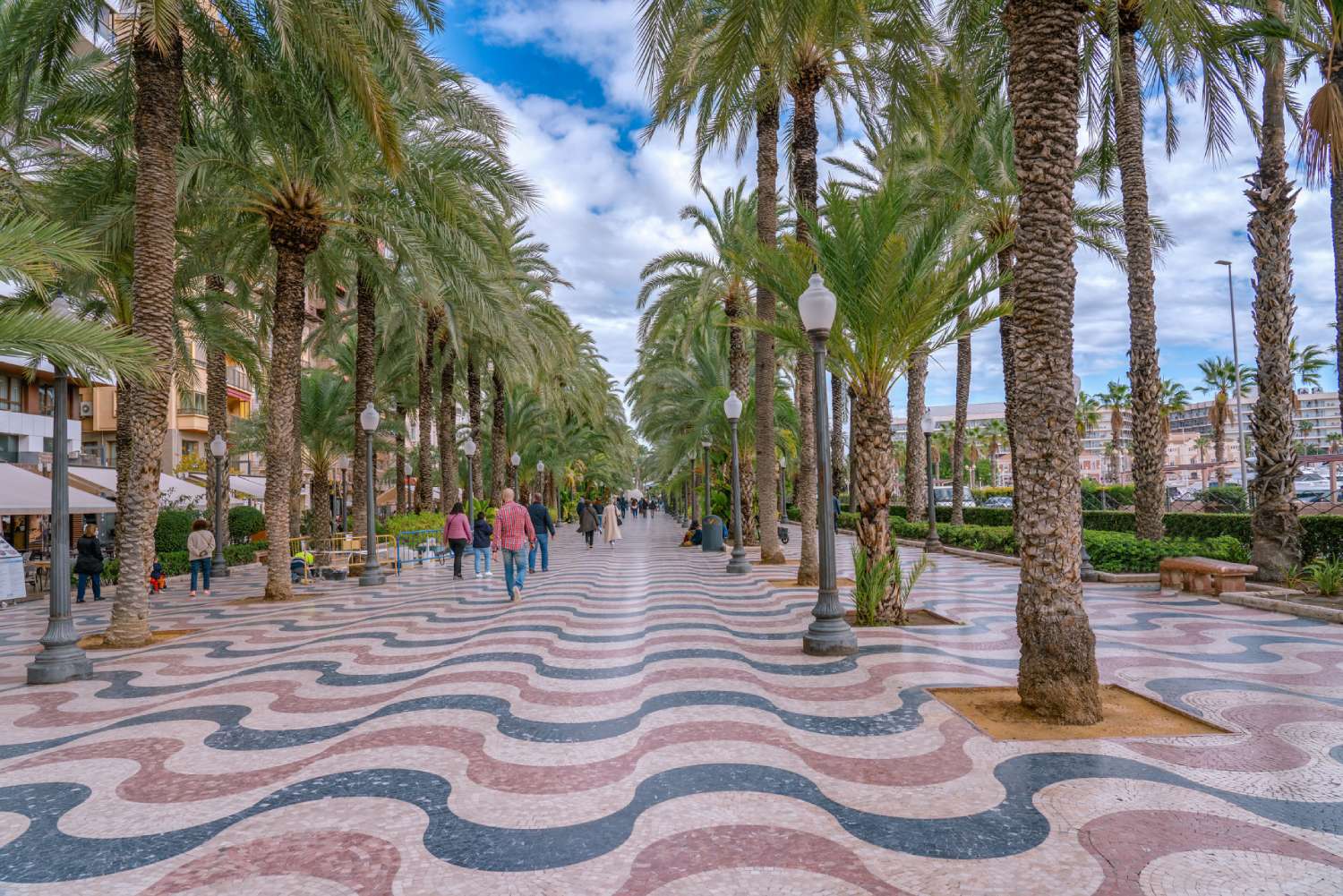
That’s where design principles such as contrast, repetition, rhythm, proportion, and material continuity come into play.
Using Material Repetition in Paving Design
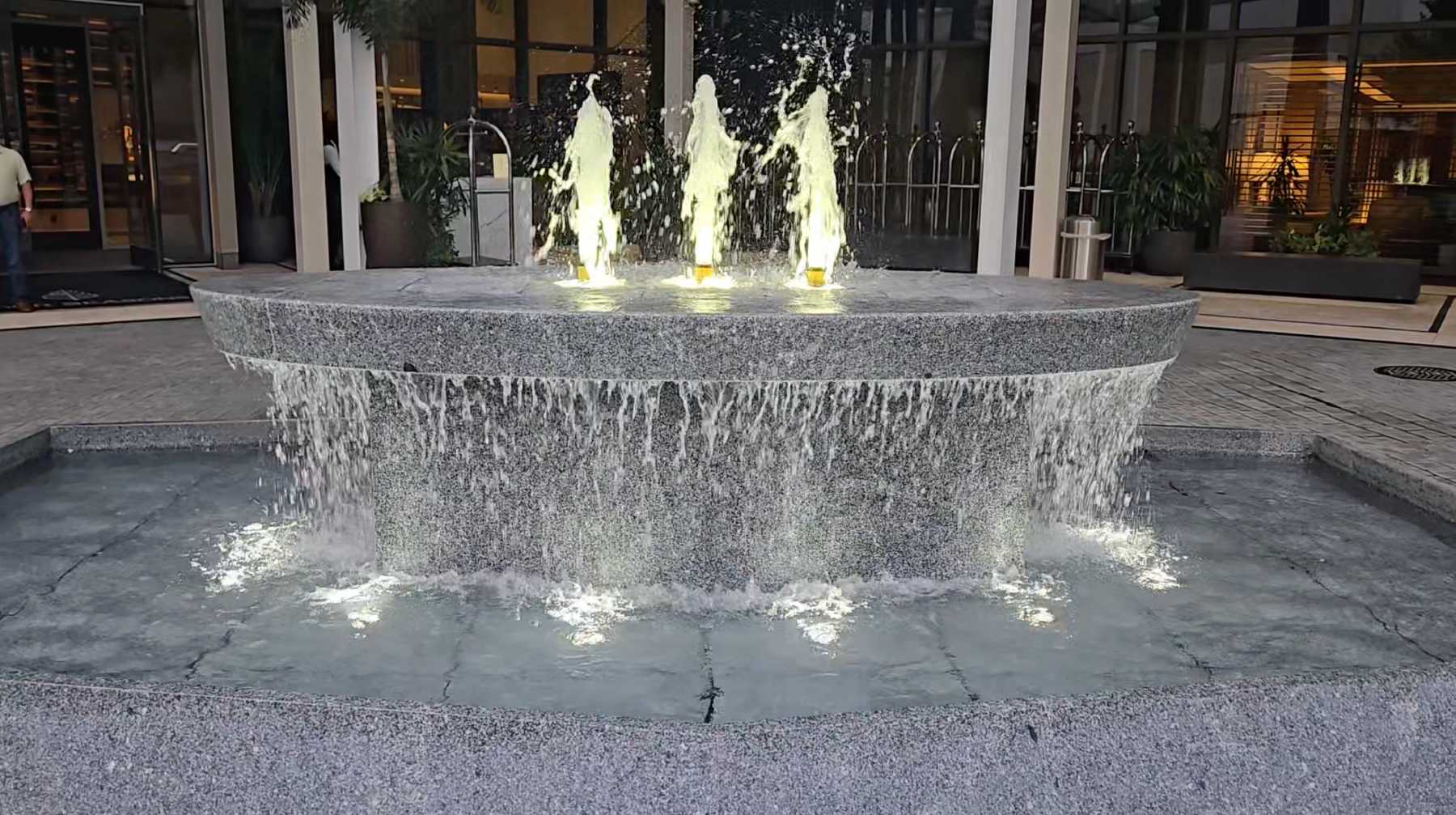
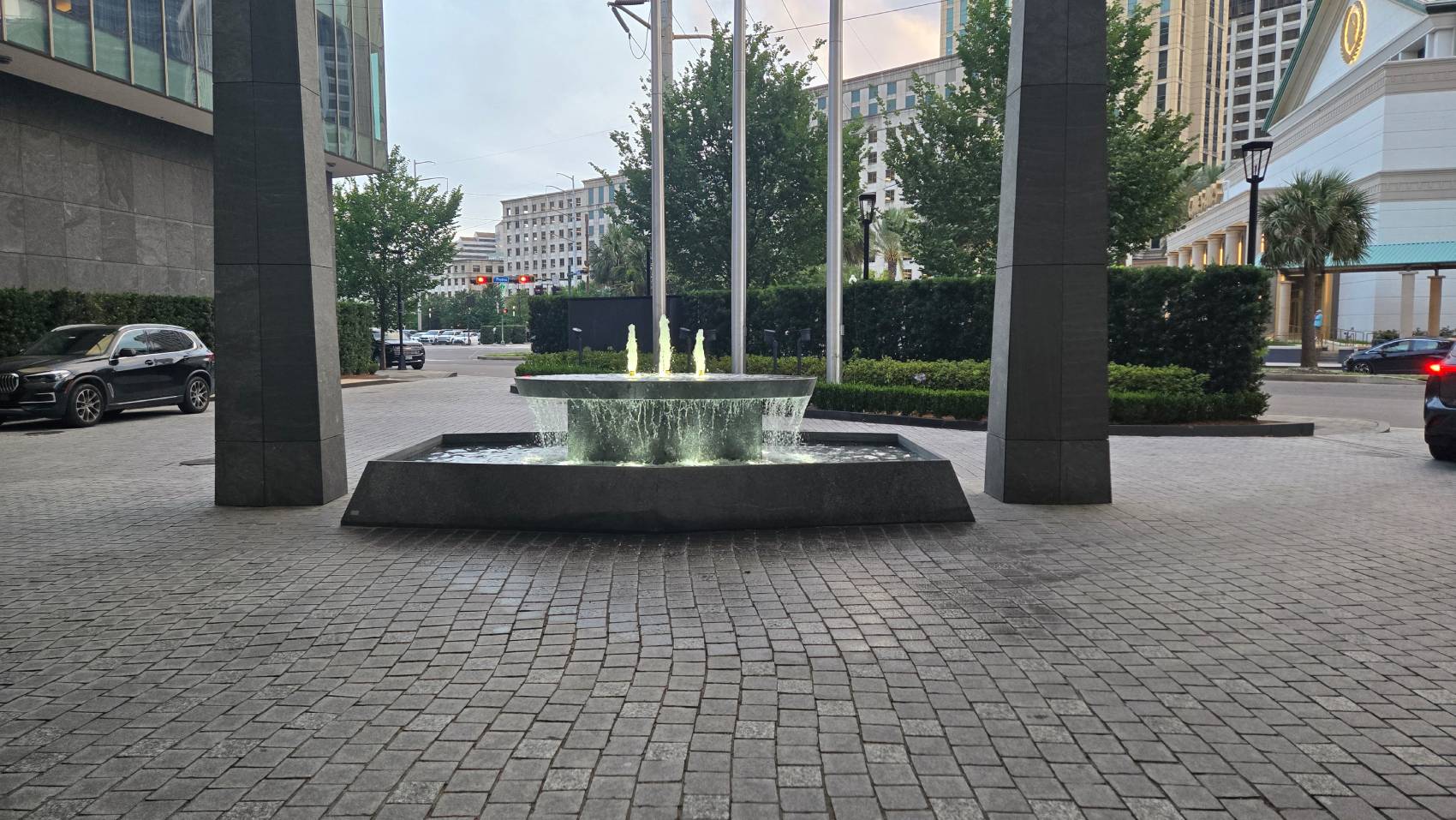
One of the reasons this entrance feels cohesive is that the material palette extends well beyond the paving. Stone appears on the building facade, wraps the entrance columns, and frames the fountain, creating a cohesive visual experience from the moment visitors arrive. Rather than relying on a single dramatic feature, the design repeats complementary materials throughout the space to unify architecture and landscape.
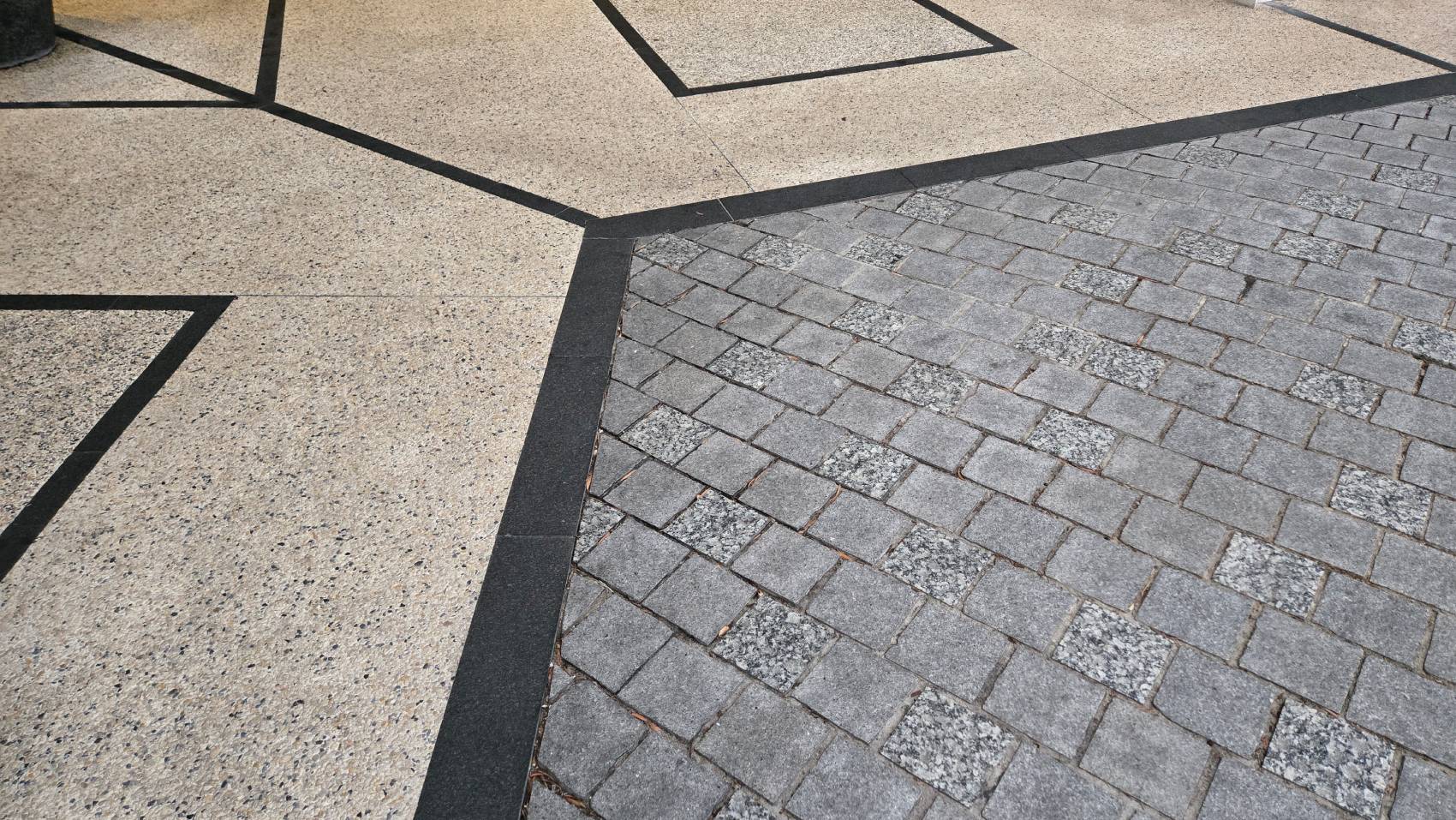
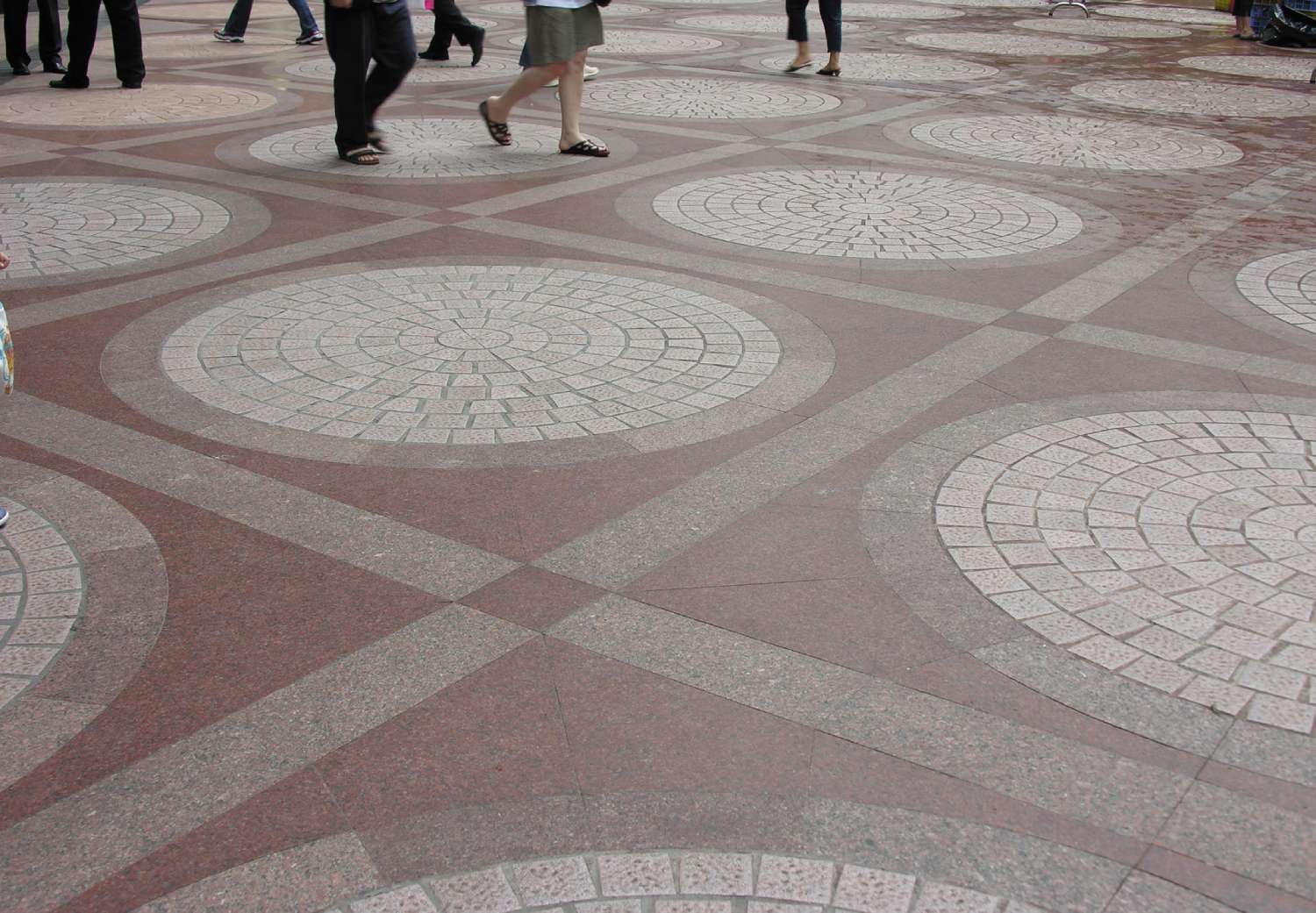
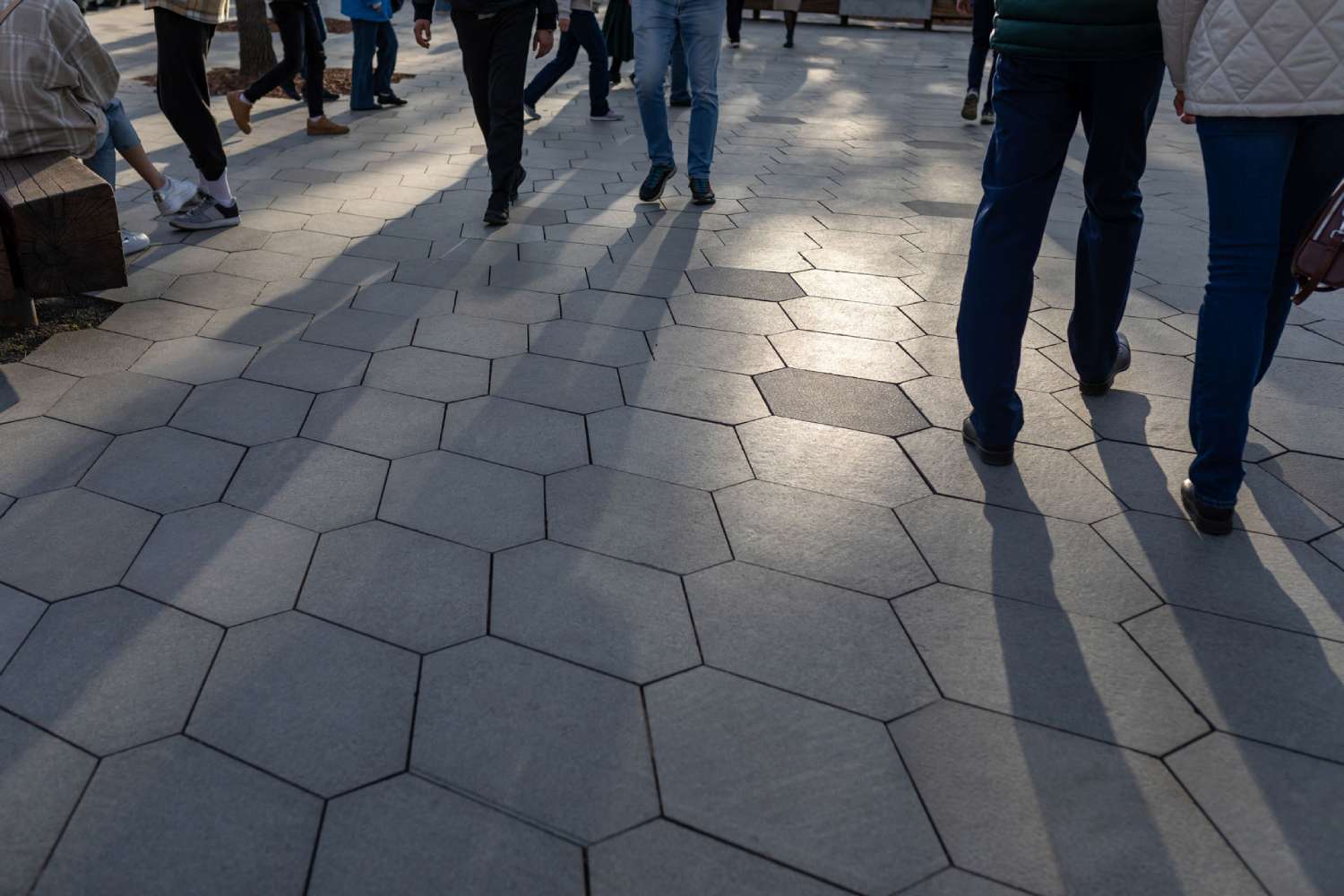
The Power of Scale and Pattern
This streetscape and hotel entrance demonstrates how varying the size, pattern, and texture of paving materials creates visual interest without relying on bold colors or ornate details.
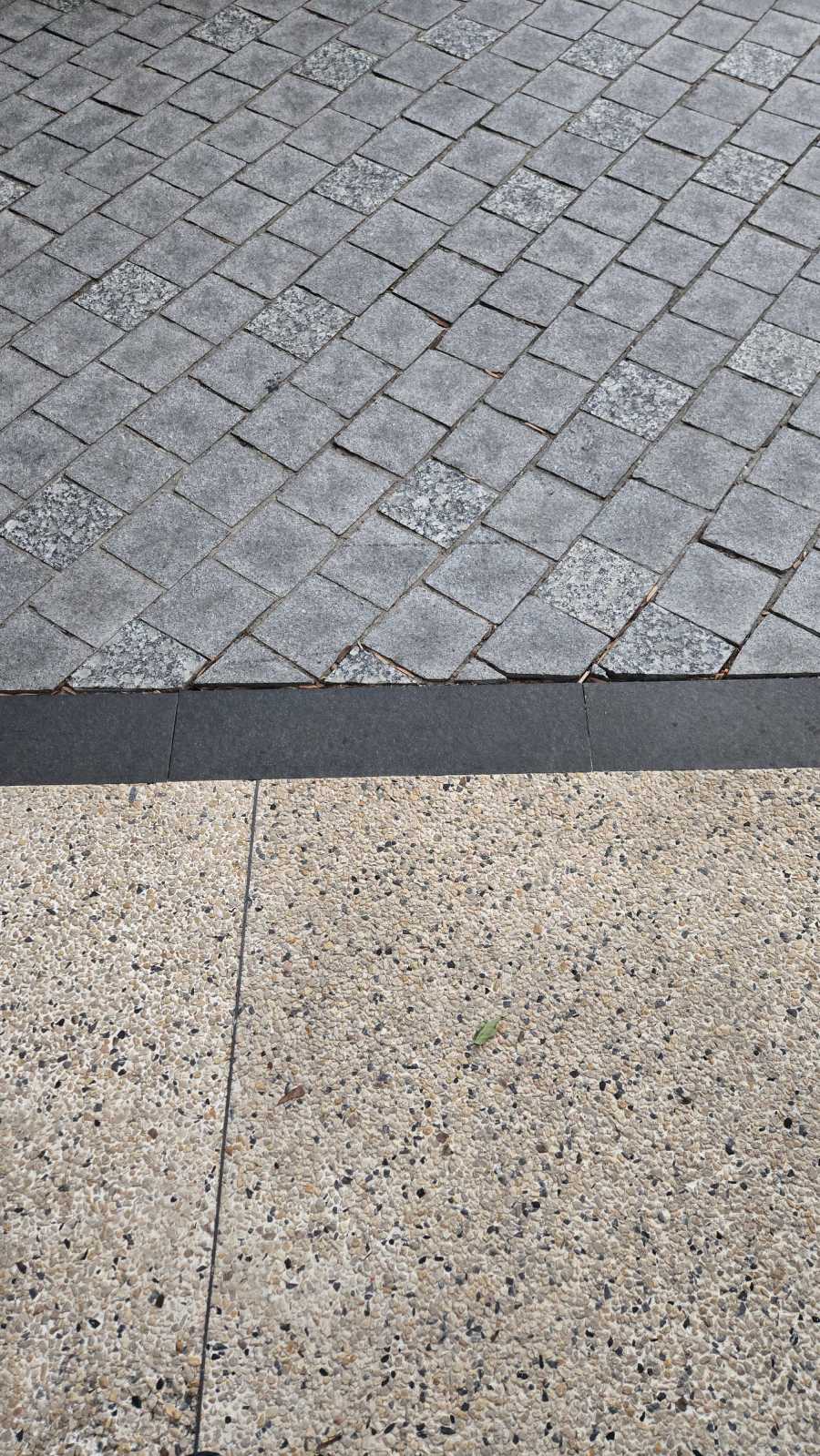
Creating Visual Rhythm through Paving Design Transitions
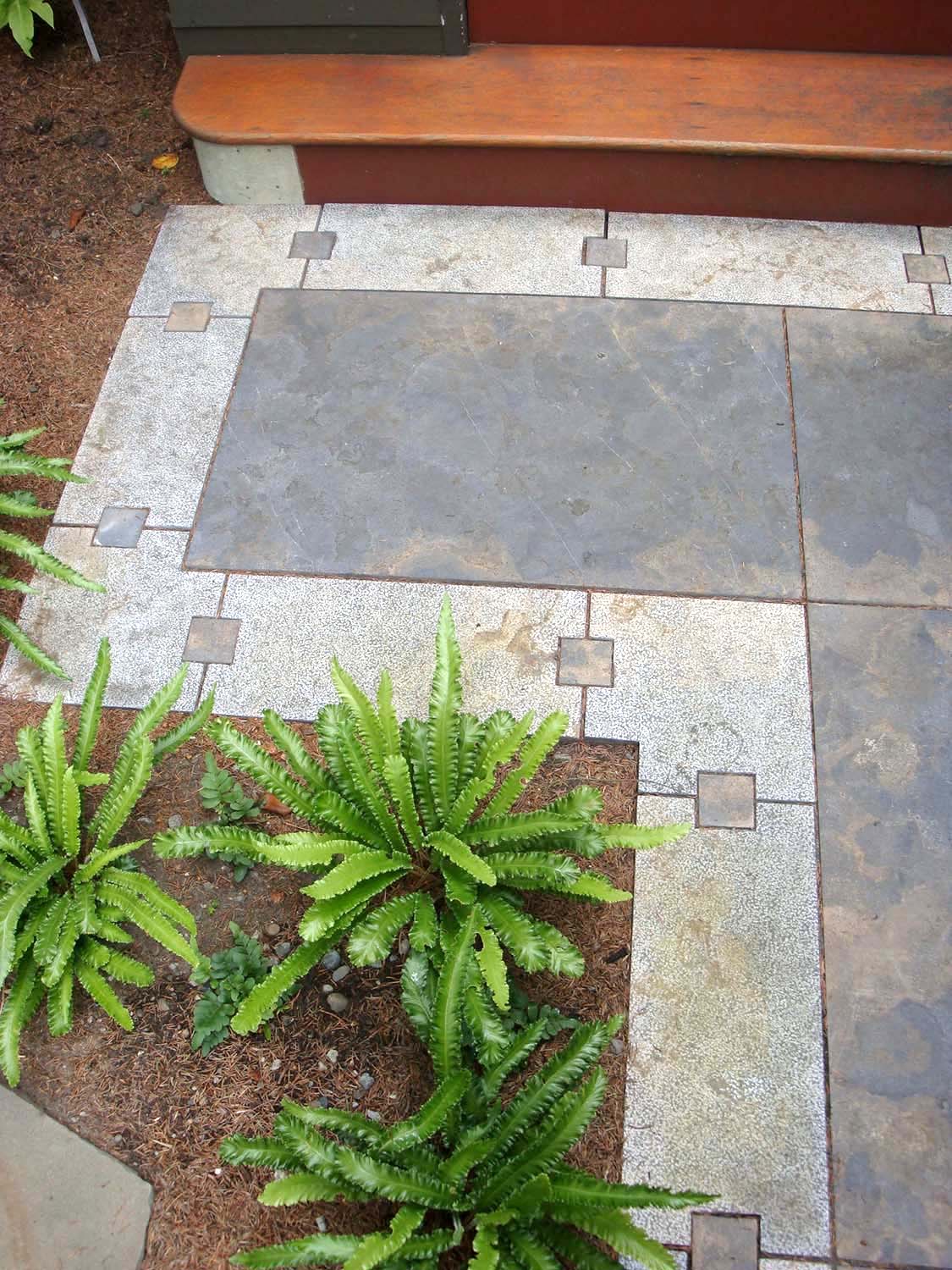
Contrast isn’t created only through color or material. Pattern also plays an important role. Here, a running bond layout is separated from larger paving units by a simple dark band. The transition is subtle, yet it clearly distinguishes one area from another while maintaining a cohesive material palette.
Elevating a Destination with Strategic Paving Design
Memorable outdoor spaces give visitors somewhere to look—and somewhere to go. In this entrance sequence, the paving doesn’t simply provide a surface for vehicles and pedestrians. It draws the eye toward the fountain, while the stone-clad columns frame the approach and the surrounding architecture reinforces the material palette.
The result is a space that feels intentional rather than accidental. Each element supports the next, creating a visual journey instead of a collection of individual features.
Why Every Detail Matters in Cohesive Paving Design
Great paving design is rarely the result of one dramatic material or a single bold pattern. It’s the thoughtful combination of scale, proportion, contrast, repetition, rhythm, and material continuity that transforms functional paving into memorable places.
Each element builds on the next, from the overall site layout and paving patterns to architectural stone, landscaping, and focal points. Individually, these details may seem subtle. Together, they create a cohesive outdoor experience that feels intentional, inviting, and memorable.
Great paving design doesn’t simply support movement. It shapes the experience of a place.
If a Designer Can Imagine It, HDG Can Help Fabricate It.
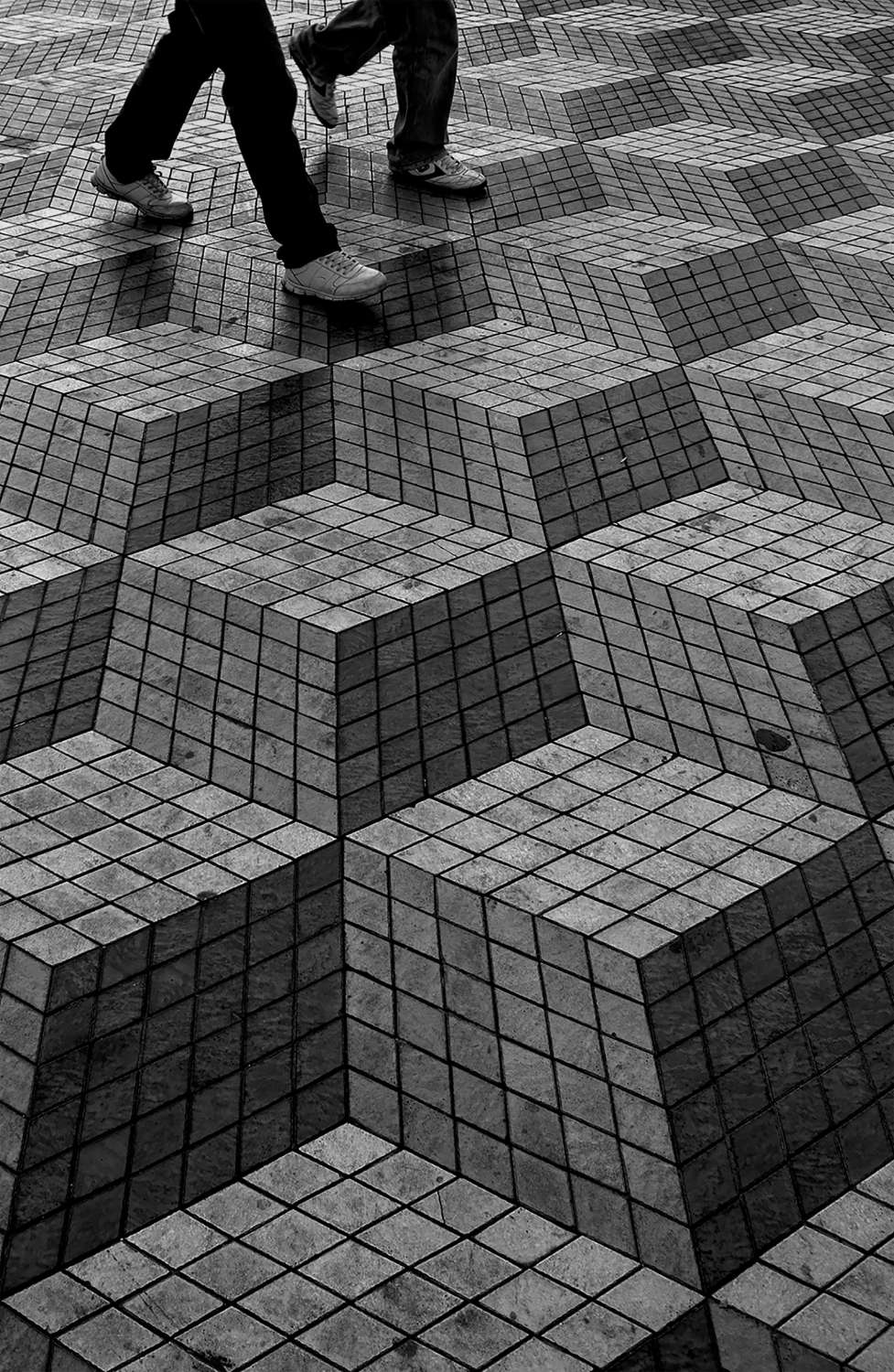
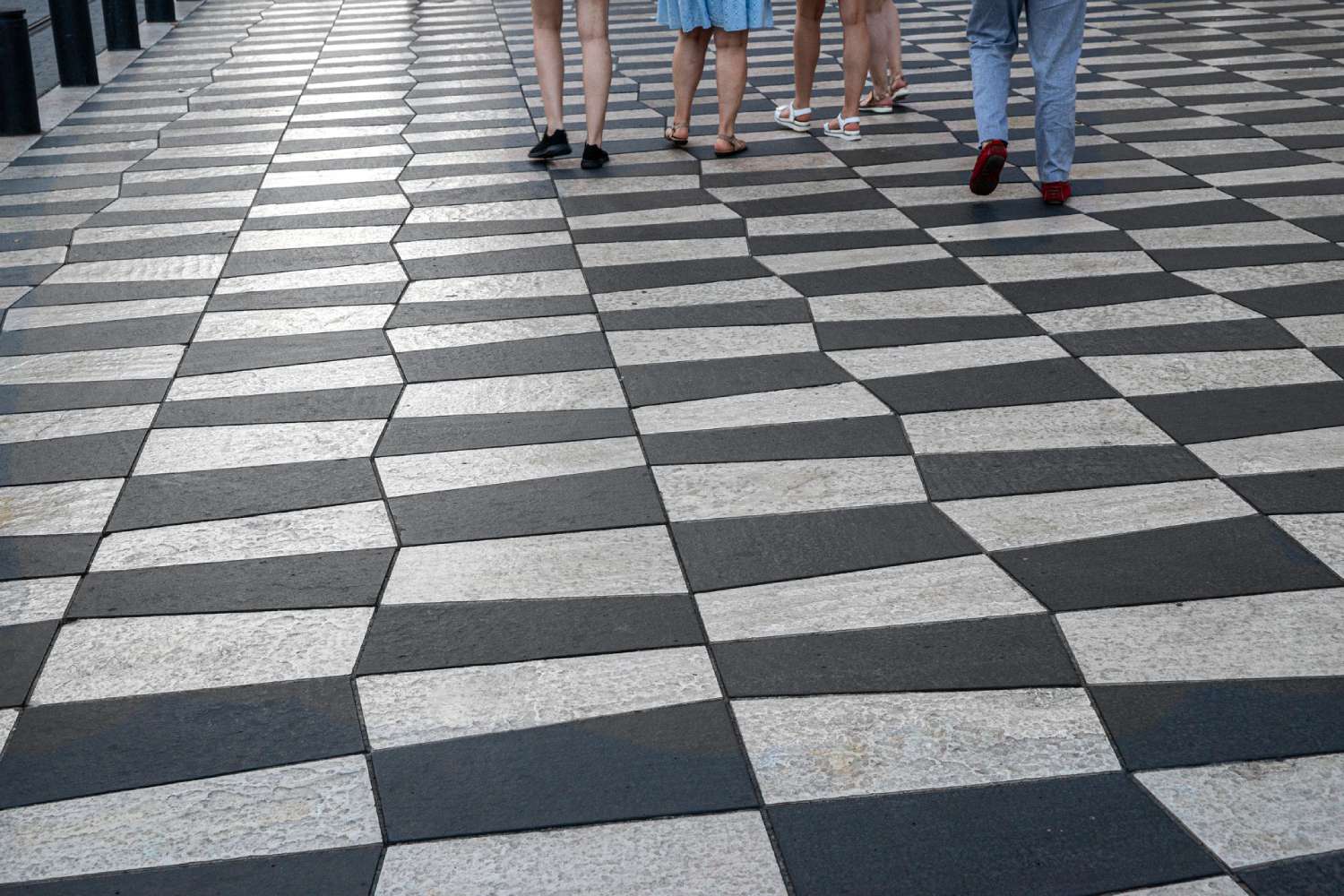
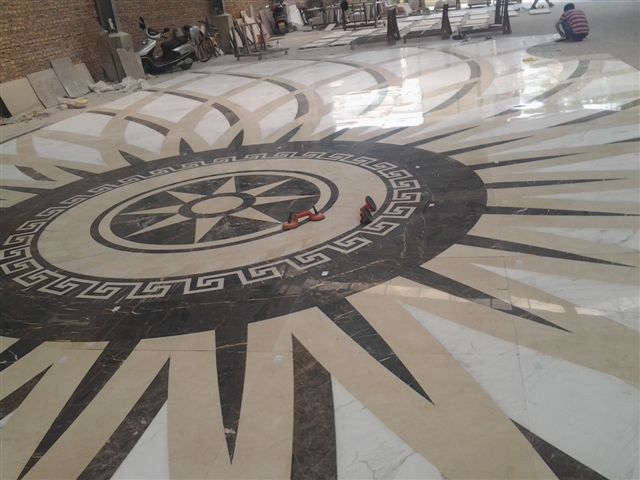
Whether the design calls for custom colors, sizes, shapes, finishes, intricate paving patterns, or even artistic installations such as Escher-like 3D paving, HDG works with partner fabrication facilities to produce custom architectural stone. Depending on the project, CNC fabrication, waterjet cutting, and mesh-backed paver mats can simplify installation while preserving the designer’s vision.
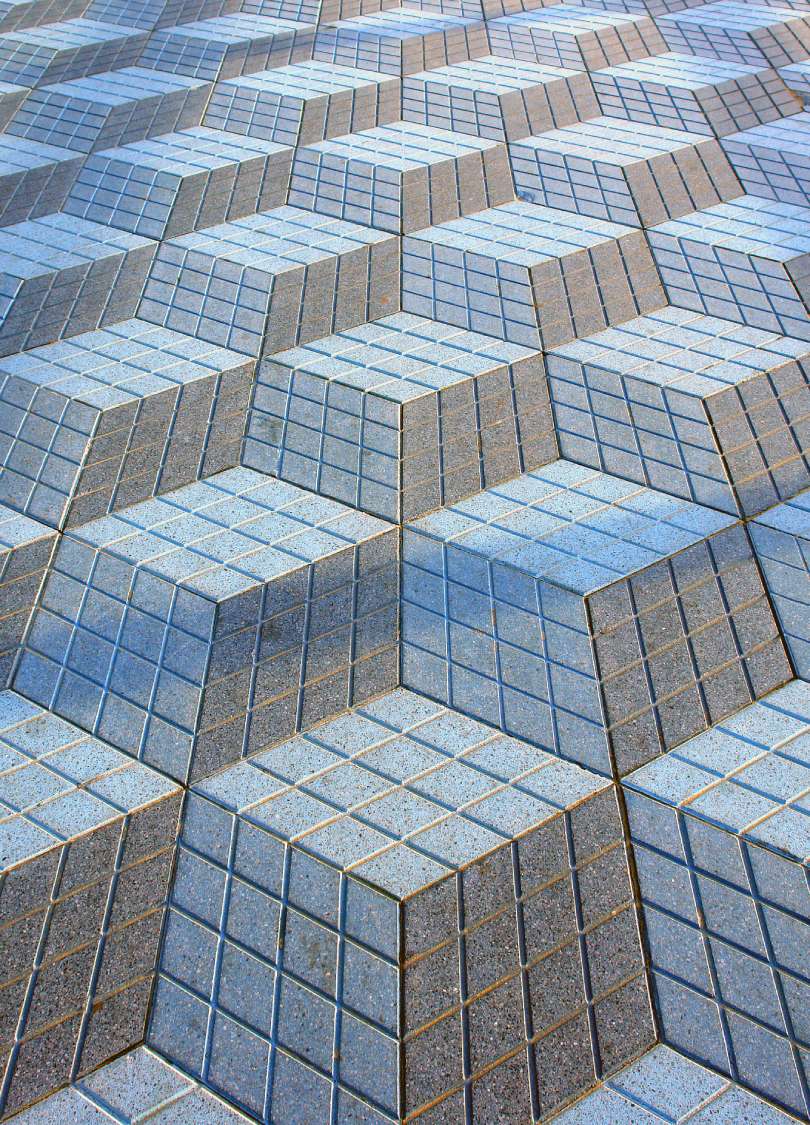
From Design Principles to Design Possibilities
Thoughtful paving design isn’t limited to standard sizes, colors, or patterns. Advances in digital design and precision stone fabrication allow architects to create custom paving layouts, intricate geometric designs, and one-of-a-kind installations. Whether your vision calls for subtle material transitions or a signature paving pattern, selecting the right fabrication partner can help turn creative concepts into enduring, buildable solutions.
Working on a Paving Design Project?
Great outdoor spaces begin long before materials are ordered.
Whether you’re selecting large-format porcelain pavers, natural stone, pedestal-supported paving systems, or custom architectural stone, HDG Building Materials can help you evaluate materials that support your design intent. Learn more about our White Glove service.
Regardless of your expertise or project experience level, HDG Building Materials is here to support you from concept to completion. Contact us to discuss your project.