Every successful porcelain paver installation begins long before the finished surface is visible. Careful layout, precise leveling, and thoughtful detailing ensure the completed terrace performs as beautifully as it looks.
This behind-the-scenes look follows the installation of a porcelain paver pool deck at Cotino®, a Storyliving by Disney™ community in Rancho Mirage, California. Using construction photos from the project, we explore the craftsmanship, techniques, and pedestal-supported design principles that help transform a concrete substrate into an elegant outdoor living space.
Planning a Porcelain Paver Installation
Every successful porcelain paver installation begins with careful planning rather than placing the first paver. Before pedestals are set, installers establish the finished floor elevation (FFE), typically beginning at the door threshold or the highest point of the structural substrate. Working from this reference point ensures the completed terrace aligns with adjacent building elements while allowing the surface to transition naturally toward drainage locations.
Material takeoffs, pedestal schedules, and layout drawings help ensure the proper number of pedestals, slope correctors, and accessories are available before installation begins. Chalk lines establish the pedestal grid, providing visual reference points that keep the installation square and properly aligned as work progresses.
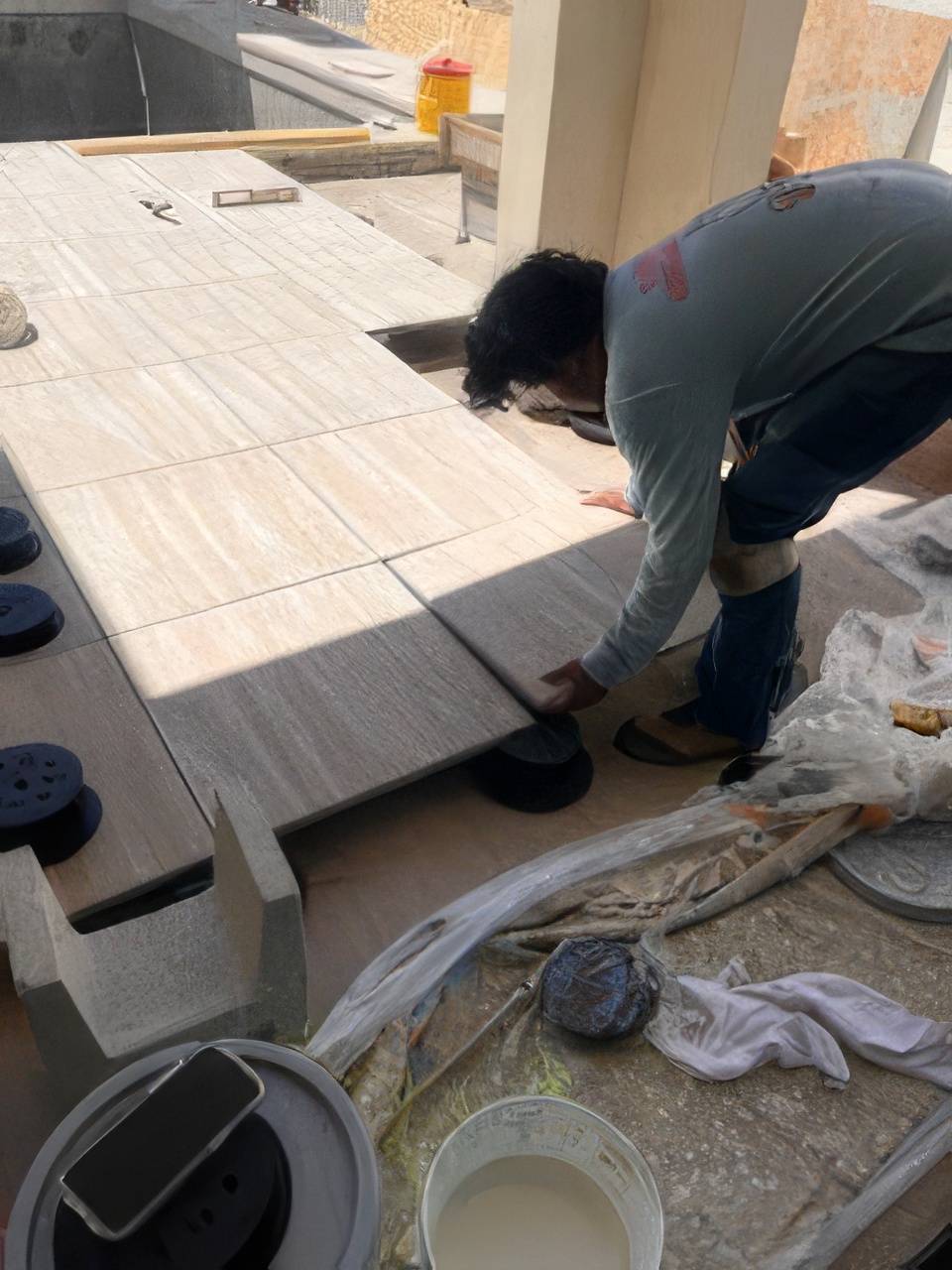
Precision Layout for Porcelain Paver Installation
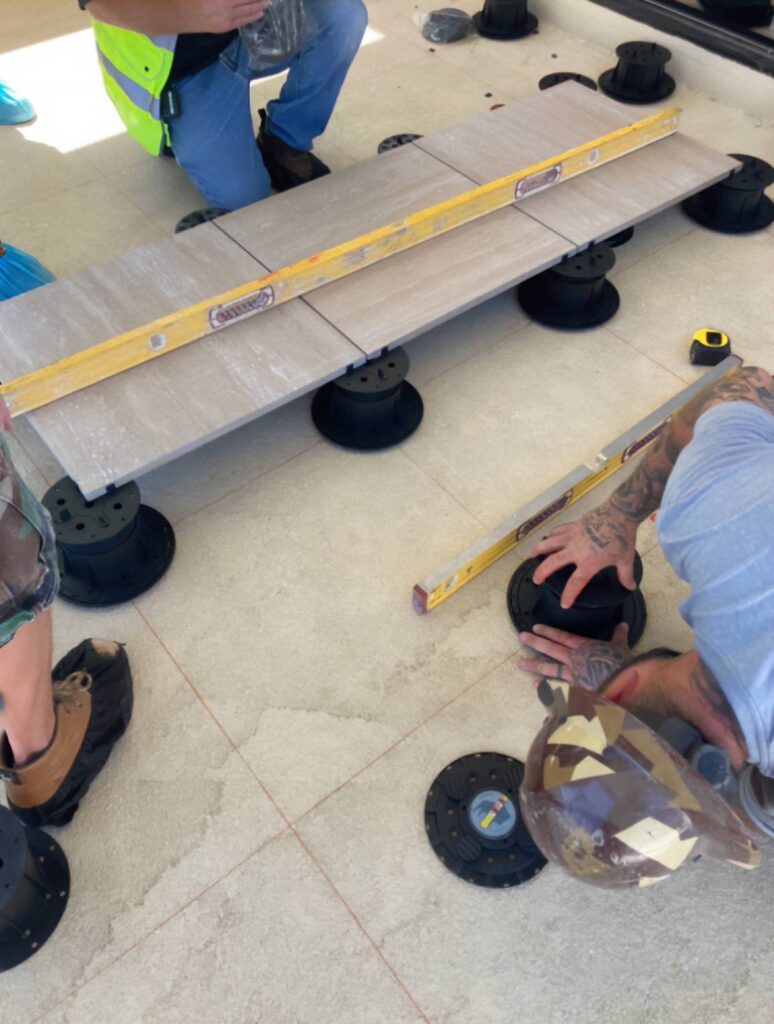
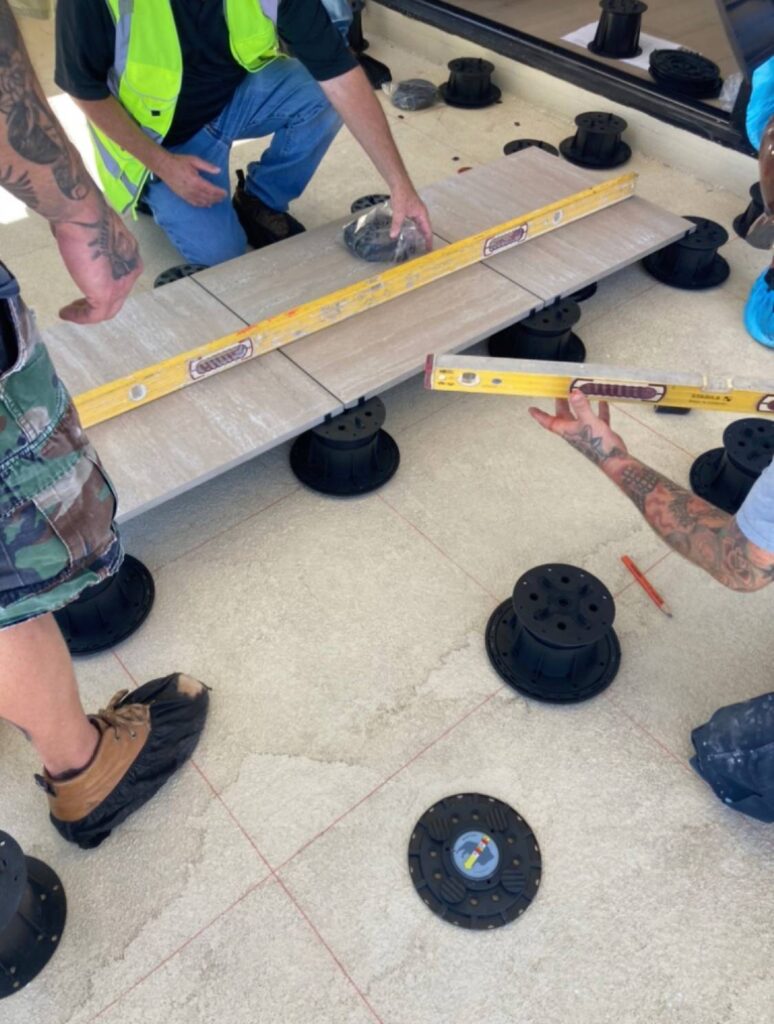
Once the layout is established, attention shifts to precise leveling at each pedestal location. Using the Buzon spirit level, installers determine both the magnitude and direction of the substrate slope before adjusting the slope corrector.
Adjusting for Slope
Installed beneath each pedestal base, slope correctors compensate for sloped or locally uneven surfaces while allowing the finished porcelain paver surface to remain perfectly level. Individual UPH-5 slope correctors adjust for slopes up to 5 percent, and multiple correctors can be stacked where greater correction is required.
Consistent joint spacing is equally important. Spacer tabs maintain uniform gaps between adjacent pavers, preserving clean architectural sight lines while allowing rainwater to drain freely through the joints to the substrate below.
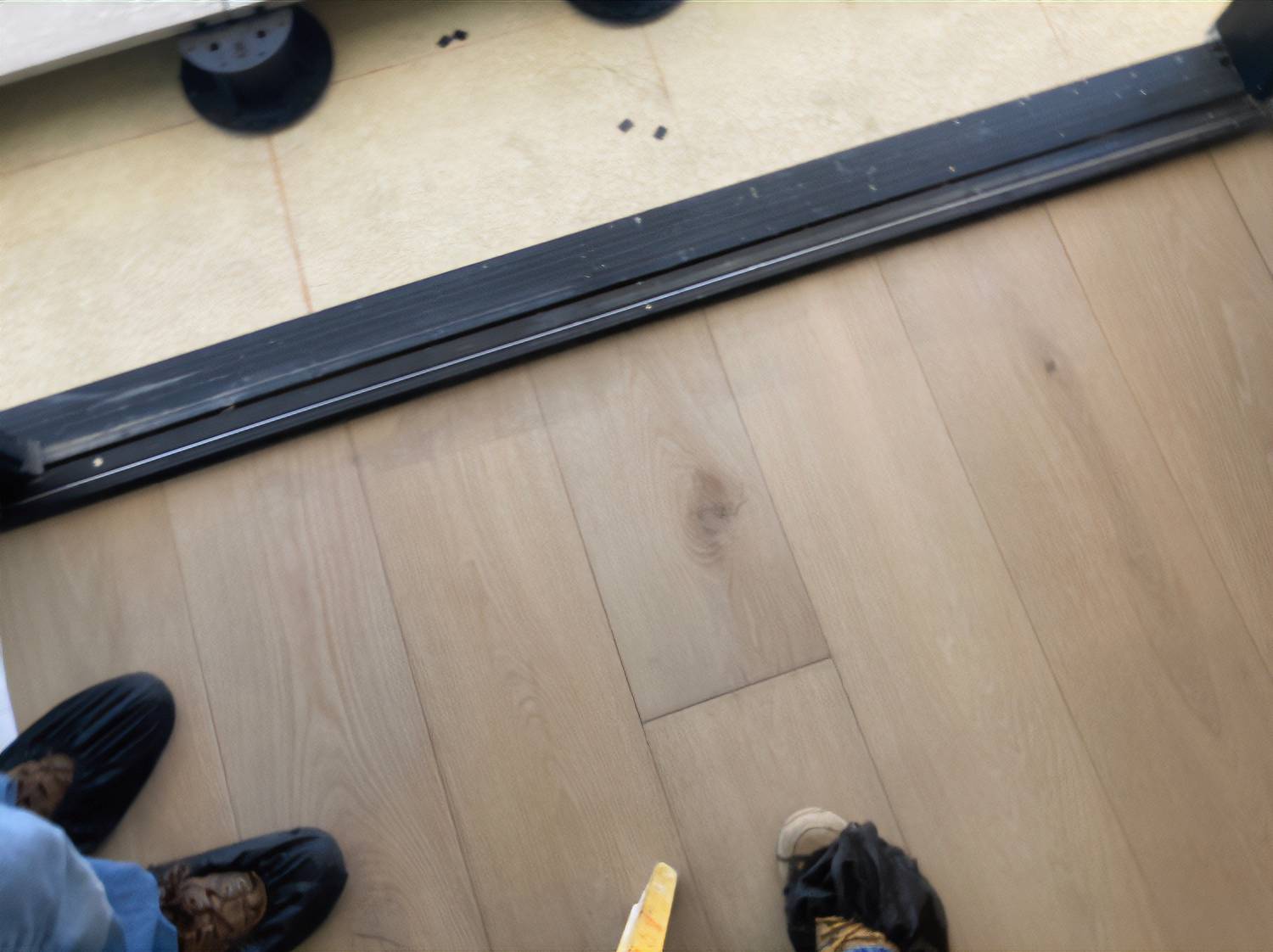
Porcelain Paver Installation at the Door Threshold
One of the greatest advantages of a pedestal-supported porcelain paver system is its ability to create a nearly seamless transition between interior and exterior spaces. Because each pedestal is individually adjustable, finished elevations can be matched precisely to door thresholds and façade systems without compromising drainage beneath the terrace.
Beginning the installation at the threshold (usually the highest point) establishes the reference elevation for the entire project, allowing subsequent pedestal heights to vary as needed while maintaining a continuously level walking surface.
This level transition creates both a visual connection between indoor and outdoor living spaces, and also improves accessibility by minimizing changes in elevation at the doorway.
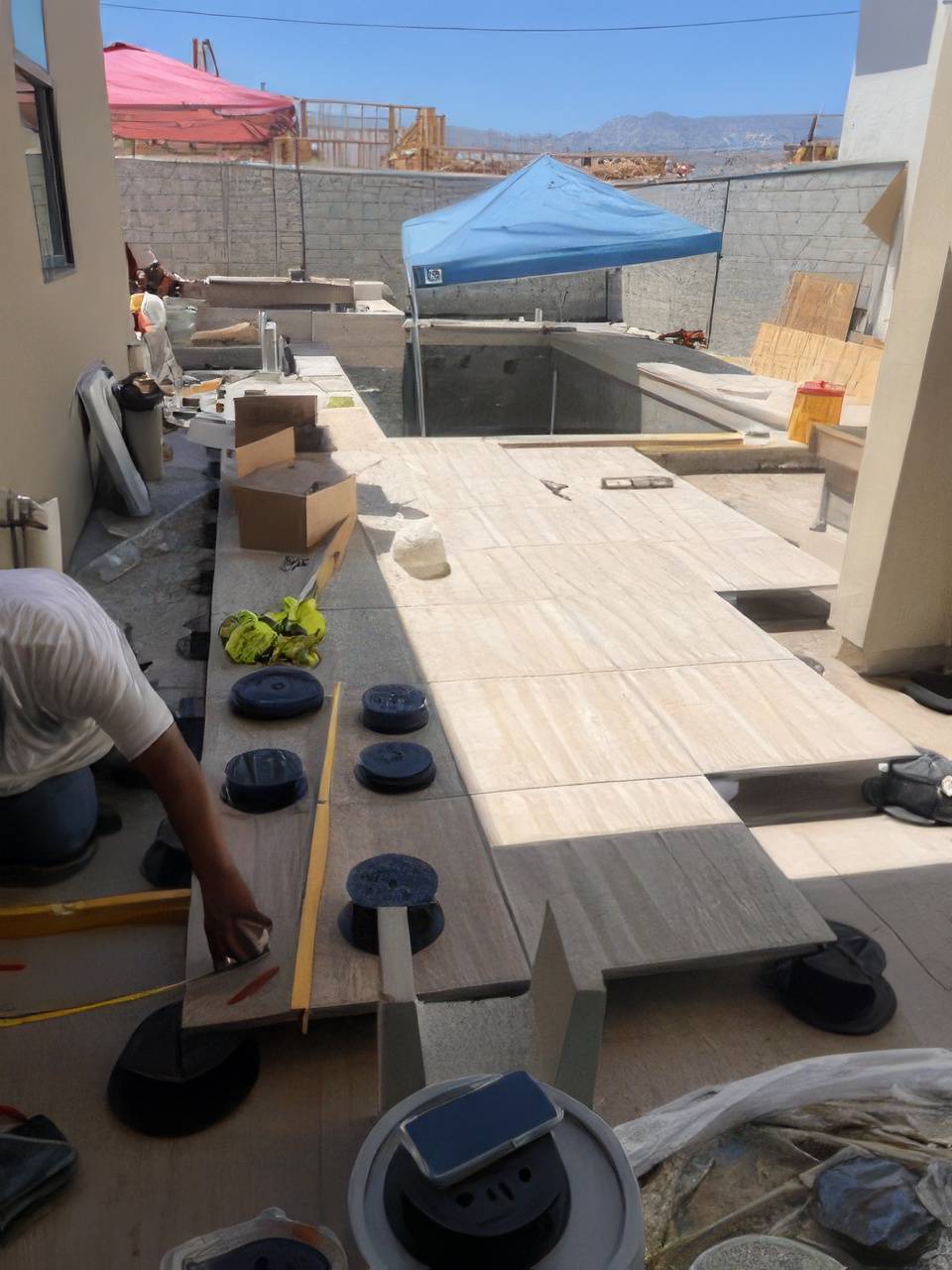
Building the Raised Terrace
As the installation expands beyond the building, the pedestal grid grows outward while maintaining consistent alignment established by the chalk layout. Although the finished terrace remains level, pedestal heights gradually change to accommodate the slope of the structural slab below.
Containing the Perimeter
The tallest pedestals are often located adjacent to the lowest portions of the substrate or near area drains where additional elevation is required. Along the perimeter, the system must be properly contained to prevent lateral movement while maintaining a clean finished edge.
Unlike mortar-set installations, adjustable pedestal systems create a cavity beneath the pavers that facilitates drainage and allows future access to waterproofing membranes, utilities, irrigation, plumbing, pool equipment, and other concealed building systems without disturbing the finished surface.
Custom Details in a Porcelain Paver Installation
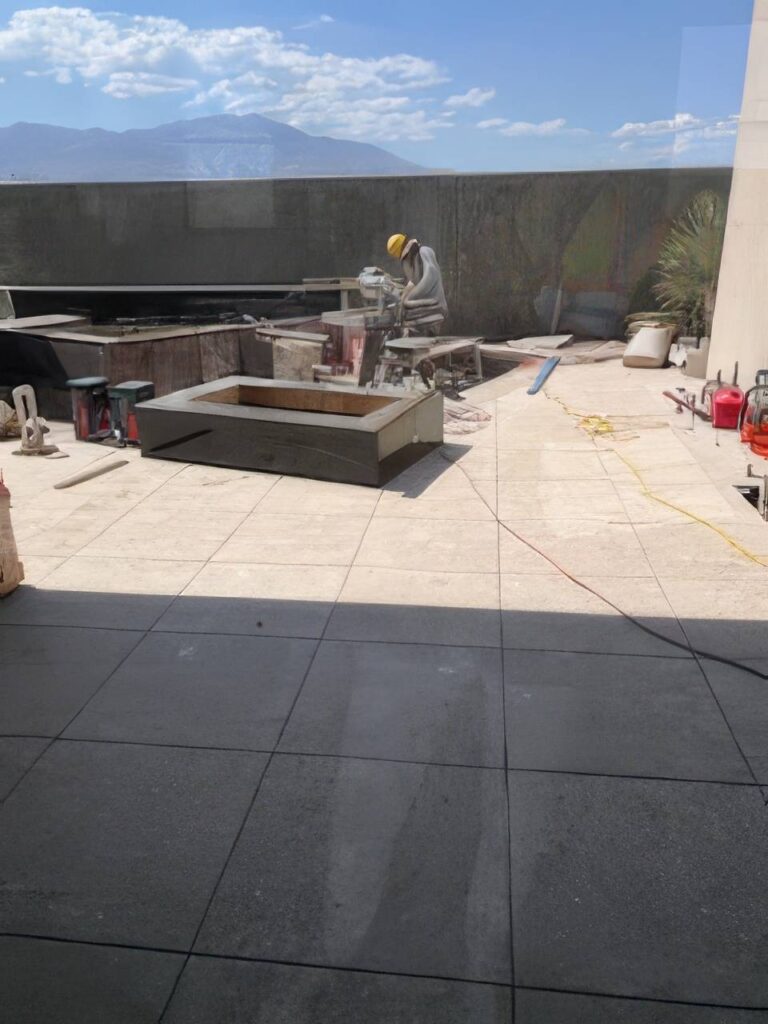
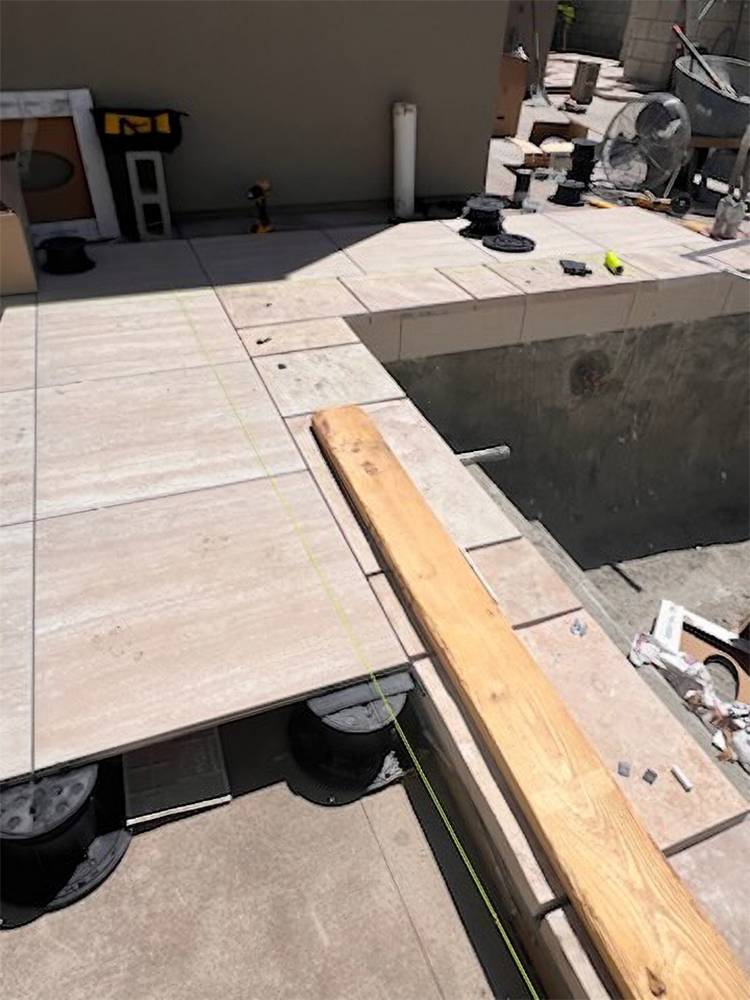
Standard porcelain pavers establish the primary grid, but custom cutting allows the installation to integrate architectural features such as raised spas, planters, columns, and equipment enclosures. Accurate measurements and careful cutting preserve the established joint pattern while accommodating unique project conditions.
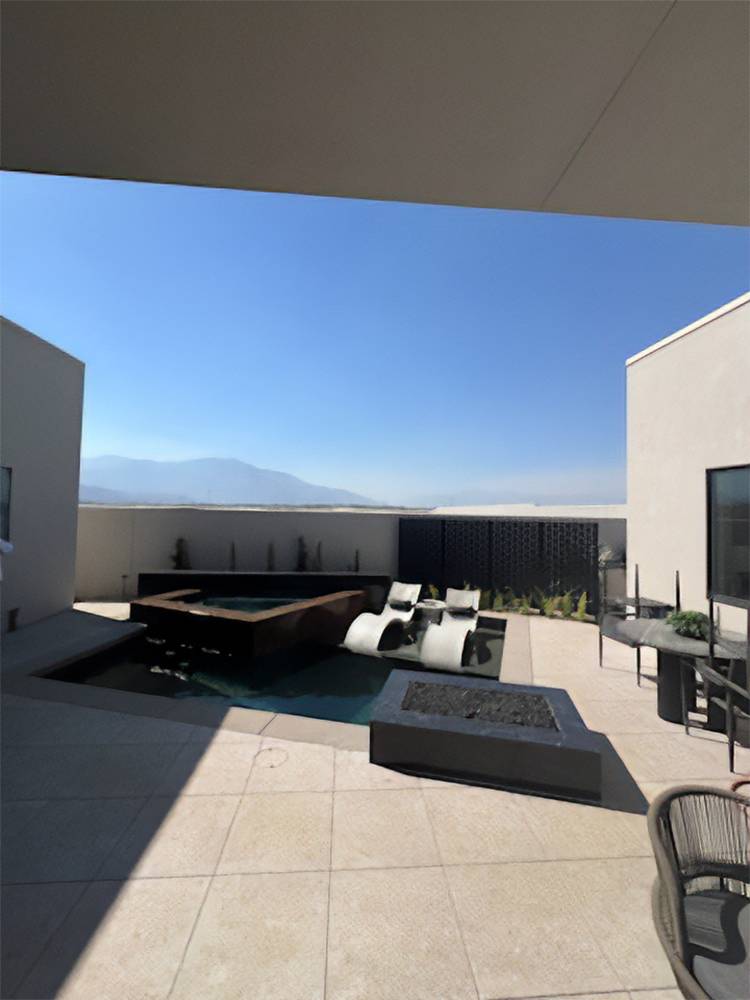
The completed installation demonstrates how custom detailing blends seamlessly into the surrounding field of porcelain pavers, creating a finished appearance that appears intentional rather than modified.
Contrasting porcelain colors can further enhance the design by defining functional spaces such as raised spas, planters, and seating walls while introducing visual depth and architectural interest.
Continue Exploring Pedestal Paver Systems
If you’re planning a porcelain paver installation, these resources provide additional guidance on system selection, installation methods, and product specifications.
Pedestal Paver Systems Guide (Buzon site)
Buzon Quick Reference Guide
Mastering Slope (Buzon site)
Porcelain Pavers
Pedestal Paver Snow Melt System
HDG Products Navigator
HDG is an Expert Dealer for Buzon
Whether you’re designing a luxury residence, rooftop terrace, hospitality project, or multifamily outdoor amenity, our team provides product recommendations, technical guidance, takeoff assistance, and specification support to help move your project from concept to completion.
Takeoff Services & CAD Layouts
Upon request, HDG Building Materials can also provide detailed CAD layout drawings to support installation planning. These layouts help remove guesswork around pedestal selection, spacing, and system configuration, making it easier to move from design intent to a buildable, field-ready solution.
Experience Counts. Talk to HDG.
If you’re planning a porcelain paver installation, HDG Building Materials can help you select the right combination of porcelain pavers, adjustable pedestal systems, and installation accessories for your project. Call 503.360.9551, email sales@hdgbuildingmaterials.com, chat with us online or click.